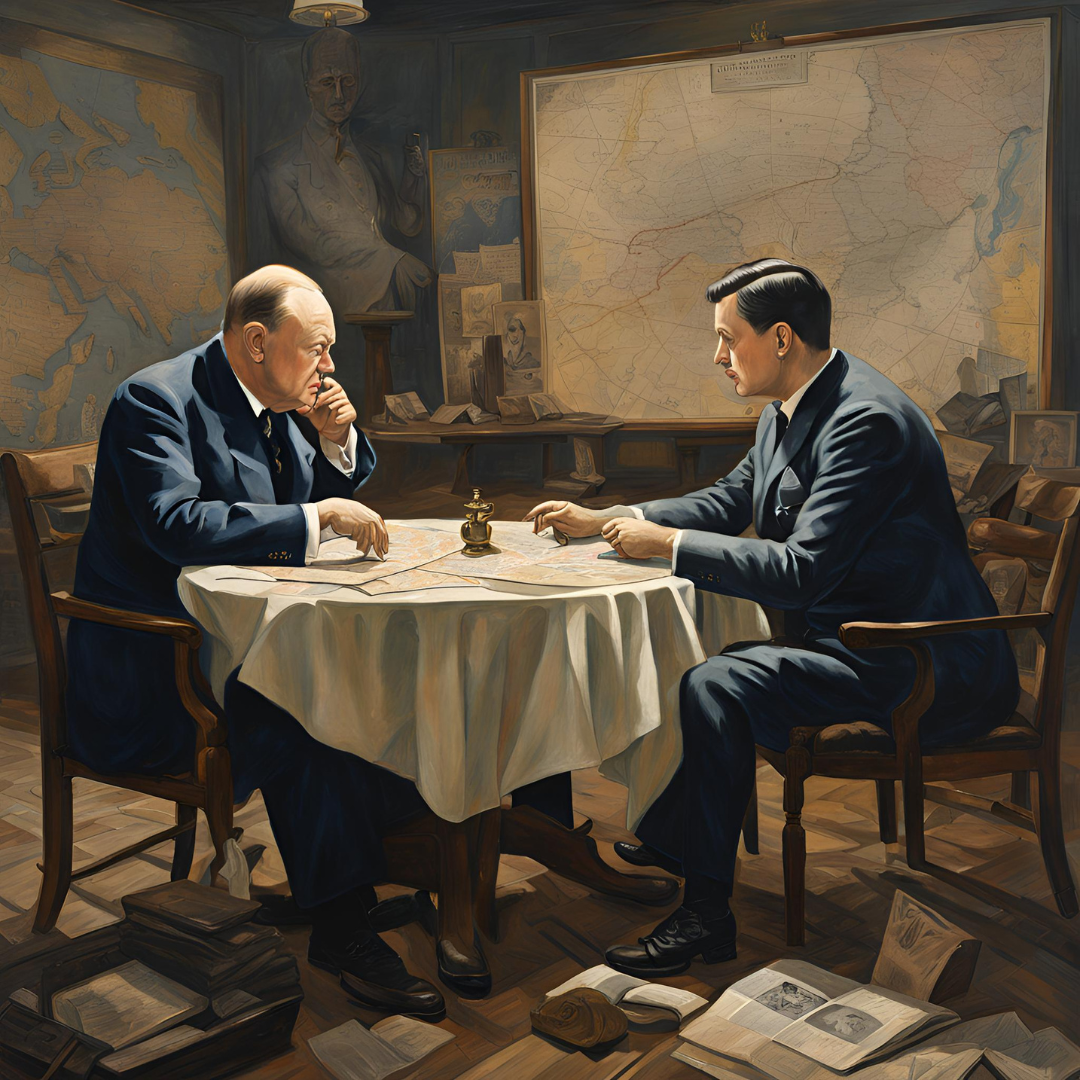
It is hard not to hear the echo of George Orwell’s observation that “who controls the past controls the future; who controls the present controls the past” when JD Vance took on Europe’s leaders with a strange mix of self-assured ignorance and open contempt. While not everything he said was wrong, and some things even might have needed saying for some time, large parts of his speech stood on dubious factual ground.
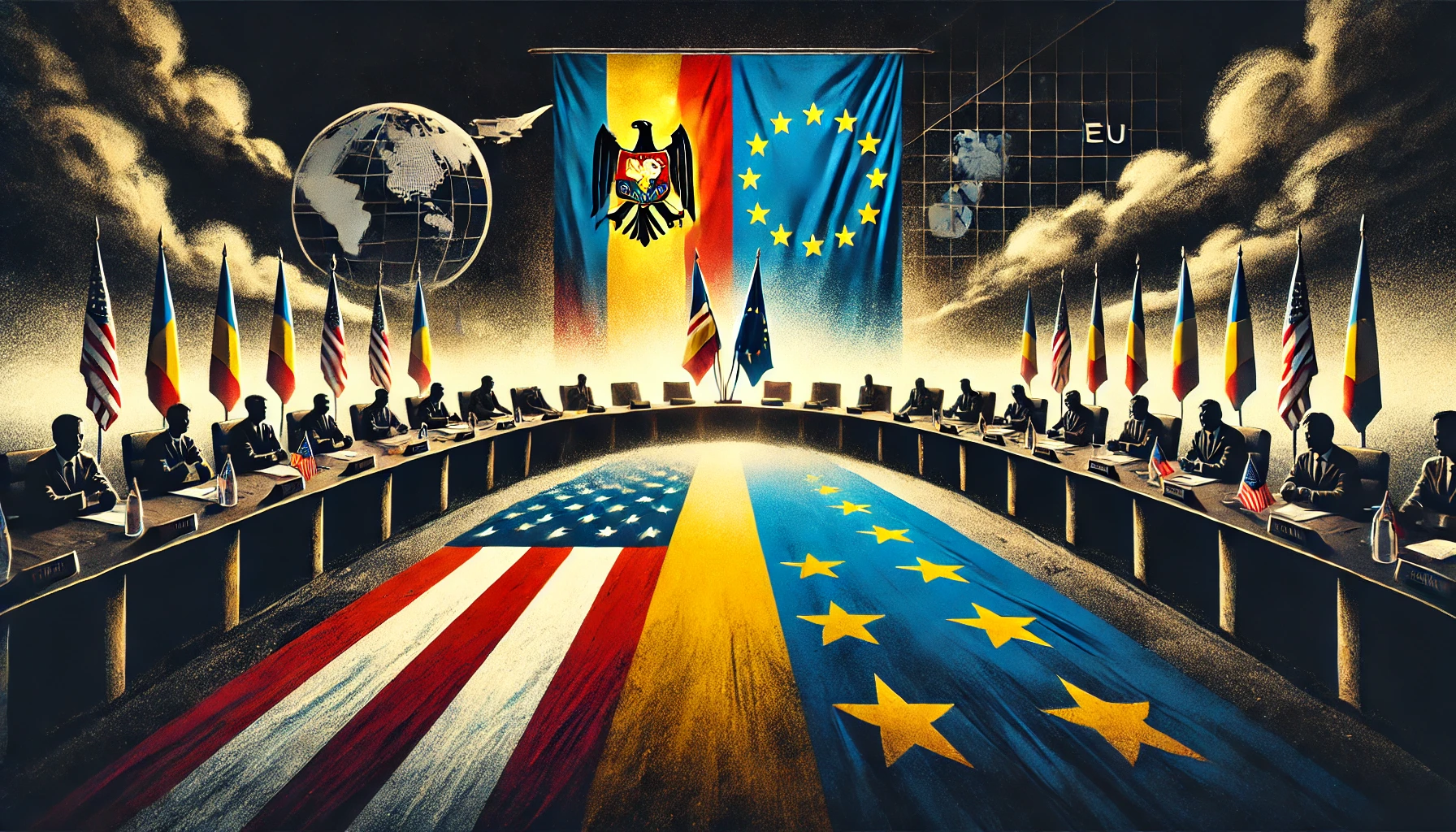
His main talking point was that Europe now posed a greater threat to the USA than Russia, and the main reason he claimed as evidence was the annulled Romanian election (that will be re-held this May). Vance argued that the Romanian elections were invalidated not because of Russian interference but because of the influence of European institutions and a corrupt Romanian court. It is a sophisticated lie of the kind that a certain type of politician has learnt to sell concerningly well.
Yet, for Vance to wilfully turn a blind eye to the underlying causes and only criticise the actions of the Romanian Supreme Court is more than just malignant incompetence. It carries the odour of malicious intent. It lays the groundwork for a future where election interference is ignored and actions to uphold democratic institutions are scorned.
Targeting Romania first is no coincidence. Its position by the Black Sea makes it a geopolitical asset, and its struggles with corruption make it vulnerable to external narratives. Undermining its relationship with the West opens the door to a broader recalibration of alliances. What Vance is doing is applying an old tactic from the propaganda playbook: shifting the narrative from cause to effect. In his view, the fact that the Romanian election was invalidated is the problem. Not what caused the election to be invalidated. This logic then lets him argue that Romania, and by extension the EU, threatens the USA more than Russia (which, of course, would never overturn an election). It’s a form of inverted source criticism, an Orwellian ”therefore-therefore” logic, where the effect becomes the cause. This is a manoeuvre that finds remarkable traction in an era where contempt for established institutions has grown to such an extent that the purest form of power now lies in questioning reality itself.
Casting doubt on Romania and other European countries as valid allies to the United States could be part of a larger strategy. What we are seeing is the methodical rearrangement of American alliances as the new administration is shifting its geopolitical focus. If Romania can be portrayed as an enemy rather than an ally, then it is a first step in shaping a new context that will resonate with an isolationist American public.
Here, history offers a painful parallel: after World War I, the USA chose isolationism by withdrawing from the League of Nations, which ultimately undermined the entire organisation’s existence. A similar tendency can now be seen in the view of NATO, where a political direction has emerged that sees the alliance as more of a burden than an asset.
Undermining US relationships with the West and pushing for an American retreat from the region opens the door to this broader recalibration of alliances. And it is right there that the deeper implication of Vance’s statements lies. A new order is being formed, where the USA is actively preparing to transform old friends into the next generation of antagonists, as Russia comes in from the cold and NATO is seen as an institutional relic. These could be the first steps in preparing the USA to back out of its own creation for the second time in history.